
Share
What you saw, caught or found on the water.
ShareMK · Boater · 2w
Avoid fog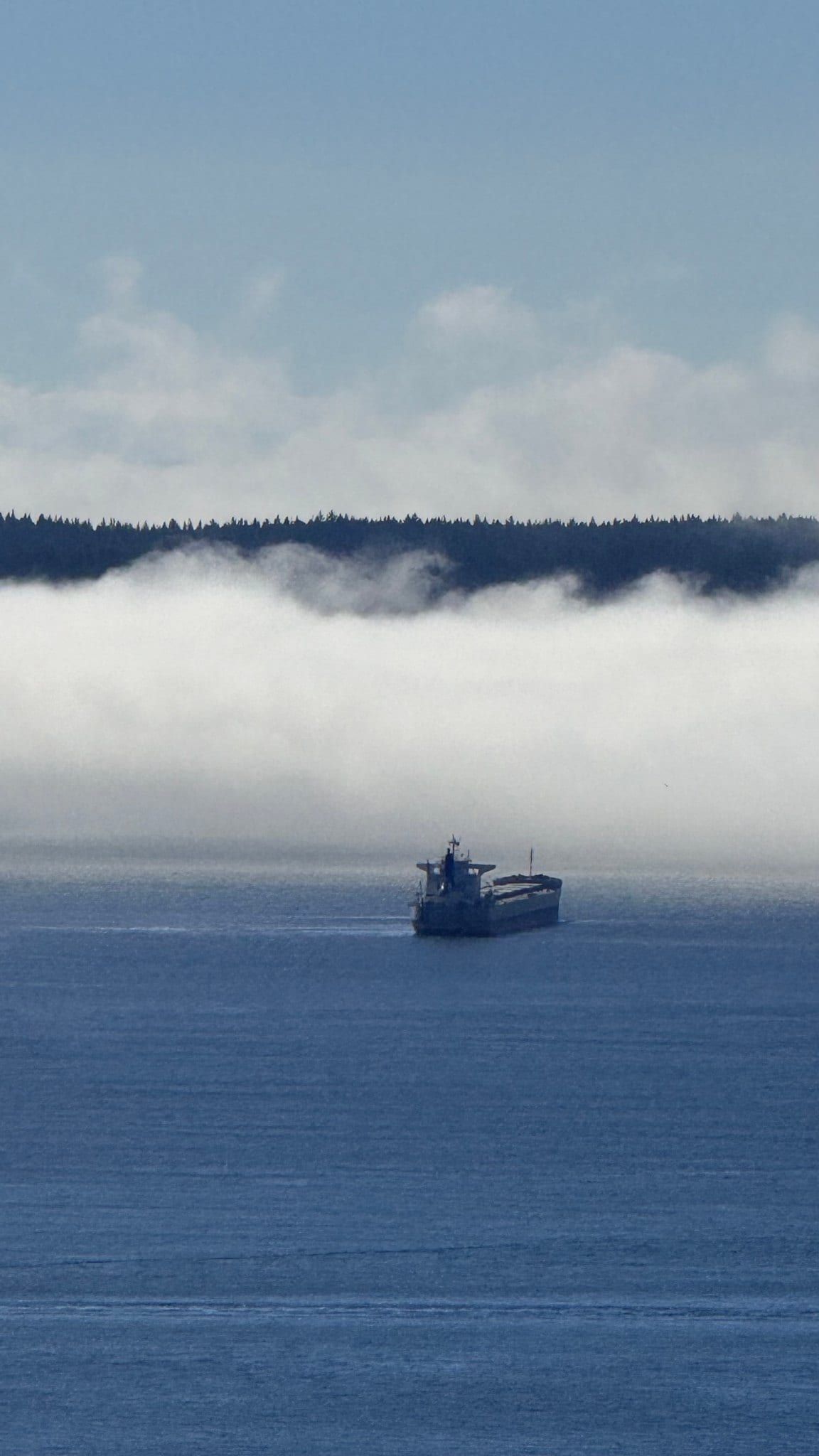
ShareMK · Boater · 2w
LONIAN + HODOR A private yacht — and an entire expedition system behind herWe have crossed paths with LONIAN and HODOR several times in our local waters. One summer evening remains especially memorable. Their crew were out on the water enjoying some of the many small boats carried by the two vessels, while we were nearby doing exactly the same thing. Later that evening, we all watched the fireworks from the water. For a few hours, one of the world's great superyachts did not feel like something distant or untouchable — it simply felt like another neighbour sharing the same harbour.
What we saw
LONIAN is an 87-metre Feadship, one of those yachts that is difficult to forget once you see her on the water. Her dark Majestic Blue hull, muscular bow and enormous open aft area give her a very distinctive presence. Built in the Netherlands and delivered in 2018, she was designed for owners who prefer spending long periods at anchor, close to the water and away from marinas. Her design includes 22 openings to the outside, a beach club, swimming pool and helicopter capability — a yacht built not simply to arrive somewhere, but to live on the water.
But what makes LONIAN especially interesting is the vessel that often travels with her: HODOR, a 66-metre catamaran support yacht. HODOR is essentially the working half of the operation — carrying tenders, equipment, supplies and expedition infrastructure so that the mothership can remain focused on guests and life aboard. The concept turns two vessels into something closer to a small private fleet.
Why here?
Vancouver and the British Columbia coast make a lot of sense for a yacht operation like this. Once a yacht leaves Vancouver and heads north, it enters one of the great cruising regions of the world: the Salish Sea, Desolation Sound, the Inside Passage and eventually Southeast Alaska.
Here, the experience is not mainly about moving between marinas. It is about remote anchorages, fishing, diving, tenders, wildlife, mountains, islands and long stretches of wilderness. A support vessel such as HODOR becomes especially useful in waters like these because it dramatically expands what the entire journey can do.
LONIAN has been publicly documented cruising in Vancouver before, including a Vancouver sighting reported in 2022, together with references to HODOR as her support yacht.
And that is part of what makes our waters so interesting:
Some of the world's most remarkable yachts do not simply pass Vancouver. Vancouver is one of the gateways to where they really want to go.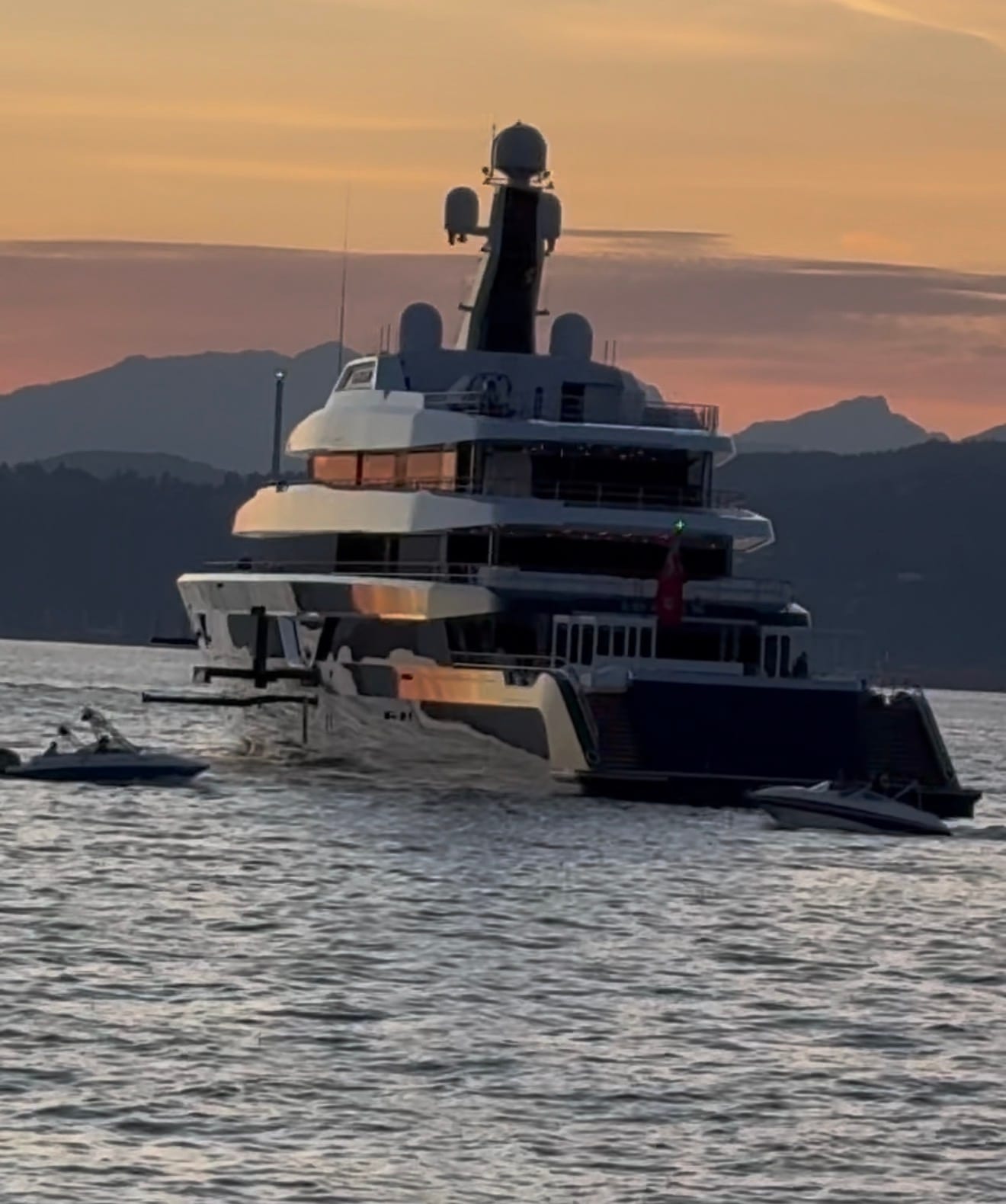
ShareMK · Boater · 2w
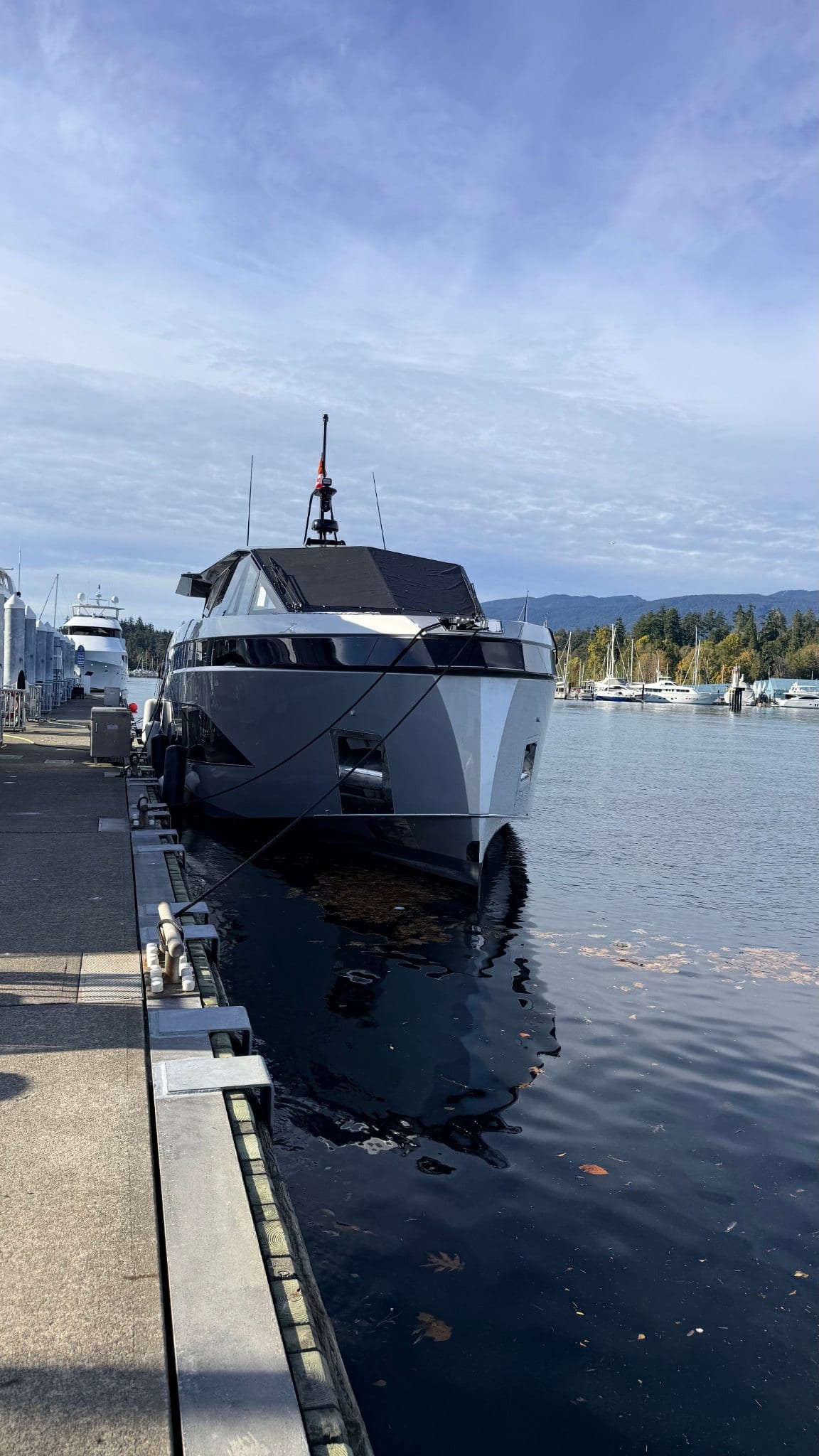
Amels 180 series superyacht**STEP ONE** is a 55-meter private superyacht built by Amels in the Netherlands and one of the defining yachts of the renowned Amels 180 series. Designed by Tim Heywood with interiors by Laura Sessa, she combines serious long-range capability with exceptional comfort, expansive outdoor spaces, a large sundeck, beach club, helipad and refined living areas. More importantly, STEP ONE is not simply another large yacht—she was the first yacht that helped establish the Amels 180 platform, giving her a special place in modern superyacht history. Built for true ocean cruising rather than simply marina life, she represents the kind of yacht designed to travel far, stay independent and explore some of the world’s most spectacular coastlines.
STEP ONE has recently completed a remarkable Pacific Northwest journey, travelling north from San Diego through the Pacific coast to Alaska before returning south to Vancouver. This route is one of the great classic passages of the yachting world. From the California coast to British Columbia’s inside waters and onward into the fjords, glaciers and wilderness of Southeast Alaska, it is a voyage that many experienced sailors and yacht owners dream of making at least once. For serious cruising yachts, the Pacific Northwest and Alaska are more than destinations—they are almost a rite of passage, combining extraordinary scenery, challenging navigation, remote anchorages and a sense of exploration that few other cruising grounds can match.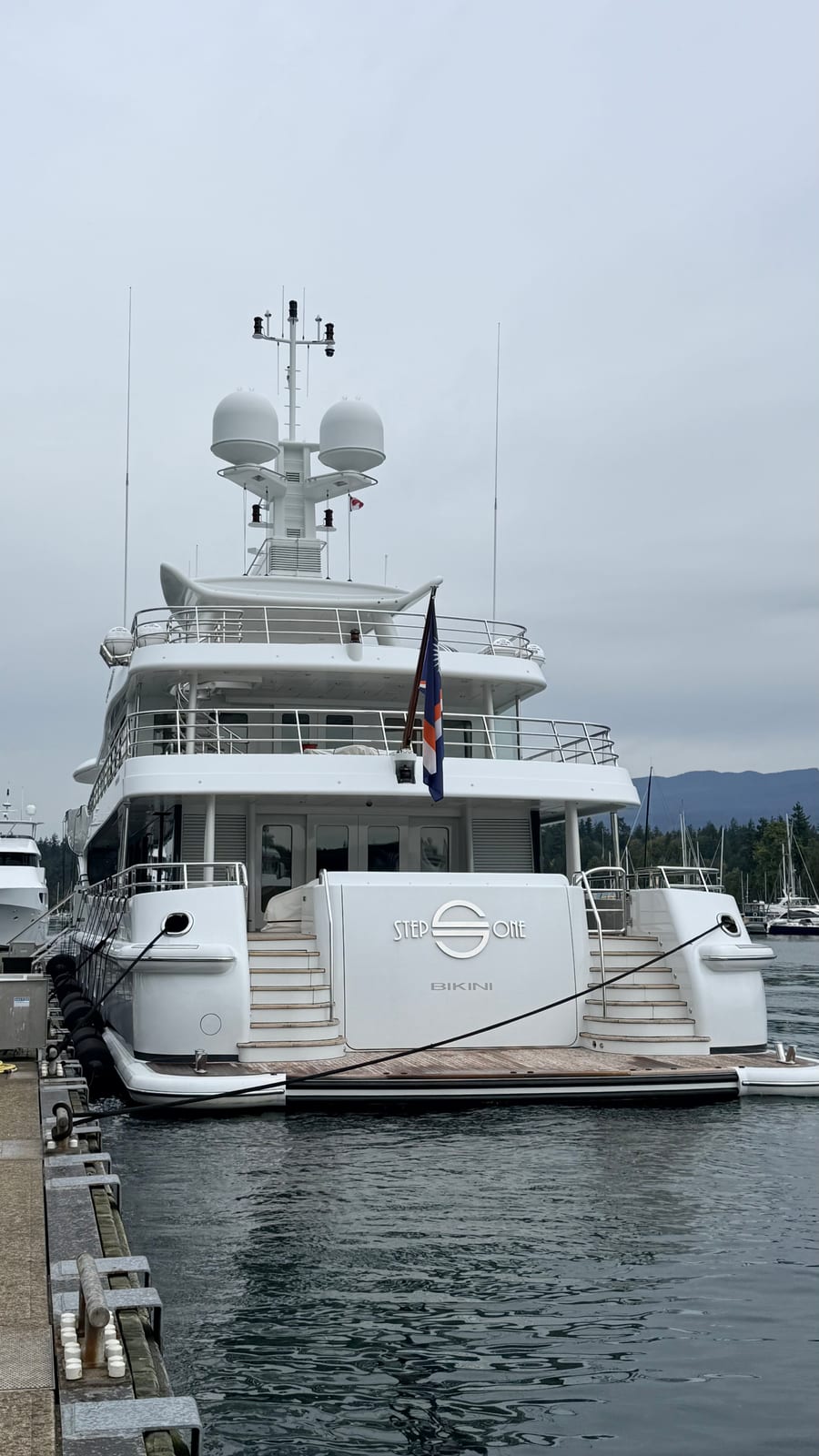
Sharecrewopen crew · 3w
Fuel dock at Horseshoe Bay busy this morning — about a 20-minute wait, going fastShareScott M. Smith · via Strait of Georgia Crossing Reports · 3w
2–3 ft consistent whitecaps, blowing 15 — Gabriola Passage to Horseshoe Bay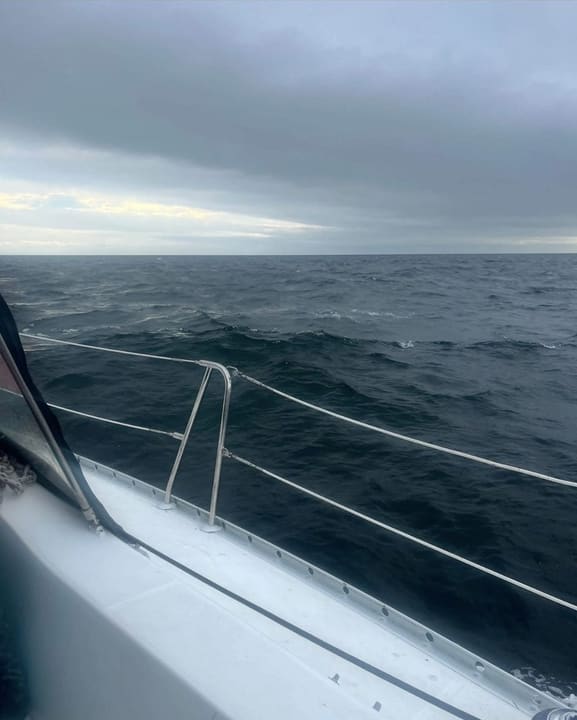
Sharecrewopen crew · 3w
Gibsons fuel dock quiet at 8 am, straight in; pump-out working tooSharecrewopen crew · 3w
Plumper Cove floats almost full by noon — mooring buoys on the south side still freeShareVancouver's North Shore · 3w
This morning in Deep Cove — coffee and calm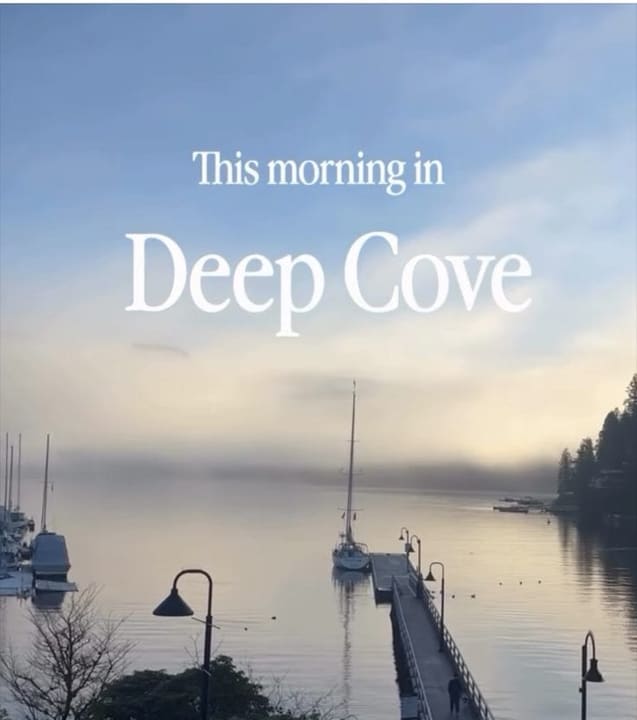
ShareKyle Geach · via Strait of Georgia Crossing Reports · 3w
Active Pass to Wreck Beach — some whitecaps but manageable24-ft boat for reference.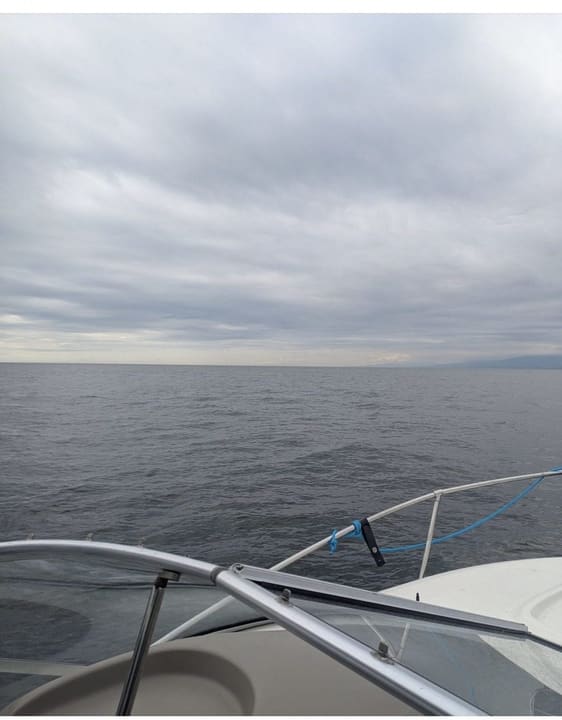
Sharecrewopen crew · 3w
Coho biting at the Cowan Point drop-off on the ebb, early morning — hootchies at about 60 ft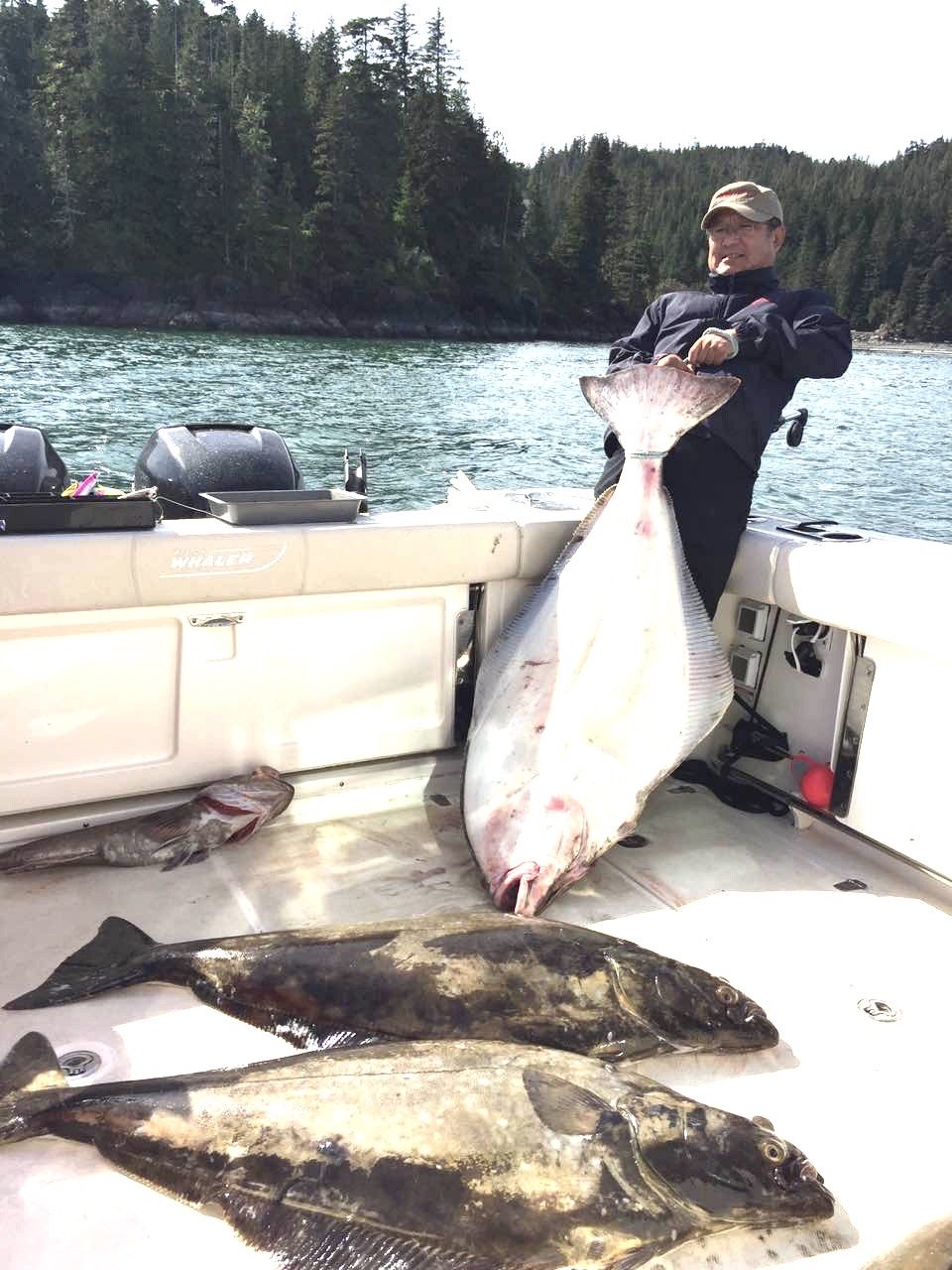
Sharecrewopen · 3w
1 m chop mid-strait, NW 15 kn, easing near Entrance IslandCrossed 7–9 am in a 26' boat. Short chop in the middle, calmer on the Nanaimo side.Sharecrewopen · 3w
Spotted: Marabell at anchorBuilt in 1942 as a US Navy minesweeper, later a hydrographic survey ship on this coast, now a classic yacht.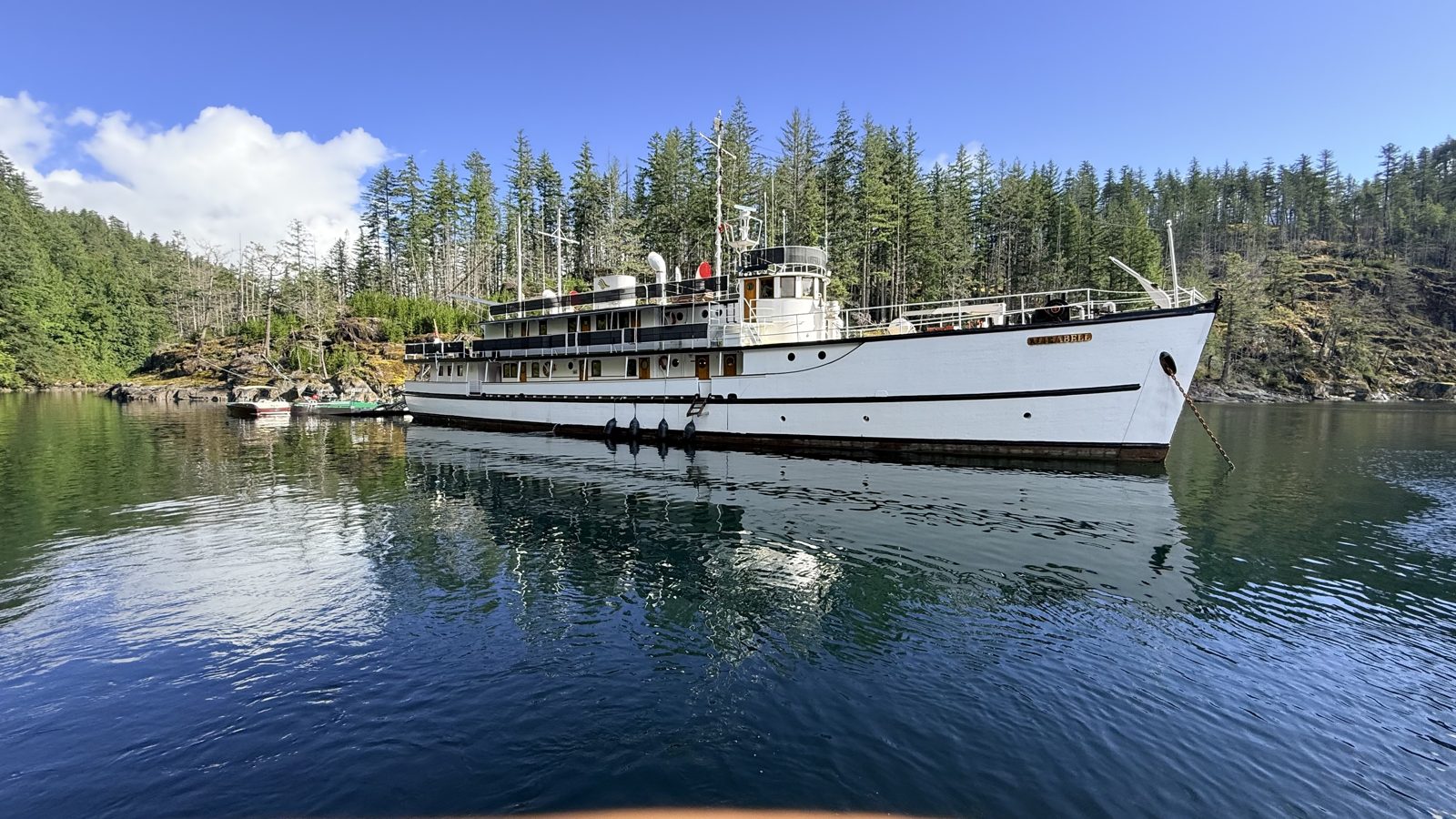
ShareRoss Bligh · via BC Coastal Mariners · 3w
S/V Path fuelling up off Stanley Park — Harbour Air conveniently "in for scale"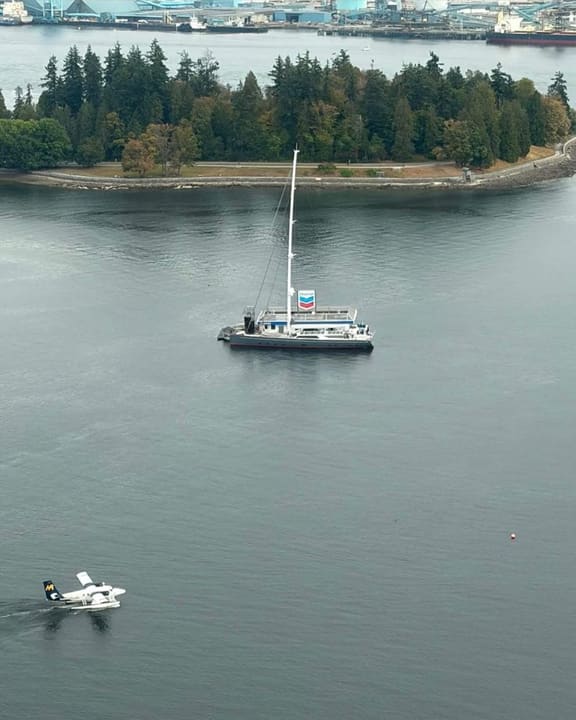
Sharecrewopen · 3w
Pacific Yellowfin at sunrise, Coal HarbourTied up downtown with the North Shore behind her.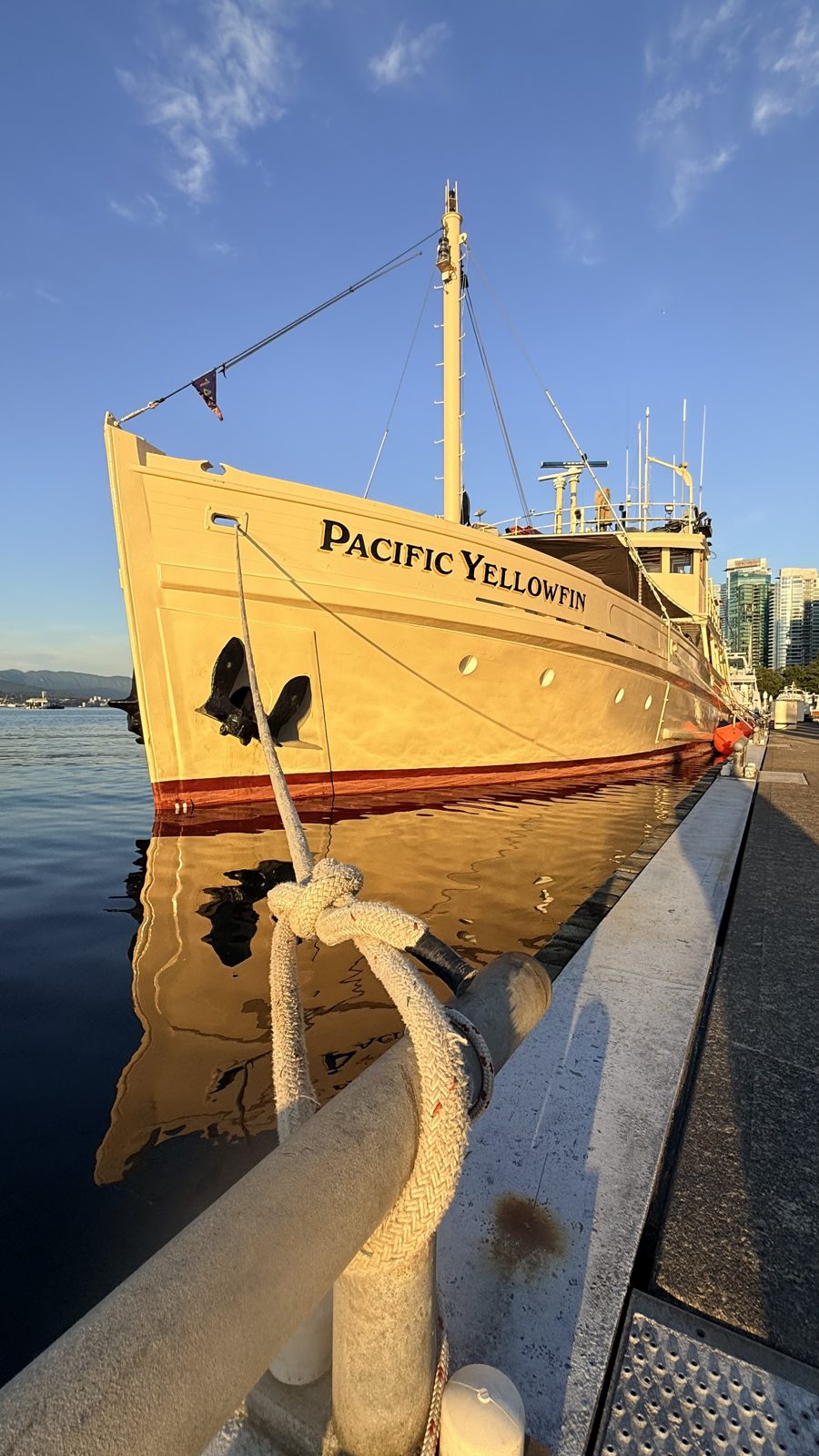
Sharecrewopen · 3w
Active Pass: time it for slack and give the ferries roomThe current runs hard through the pass. Most skippers plan around slack water from the CHS tables and keep well to one side — BC Ferries meet in the pass.Sharecrewopen · 3w
Salmon traffic jam — hundreds staging at the foot of a fish ladderFilmed in Alaska; the same fall runs are pushing up BC rivers right now.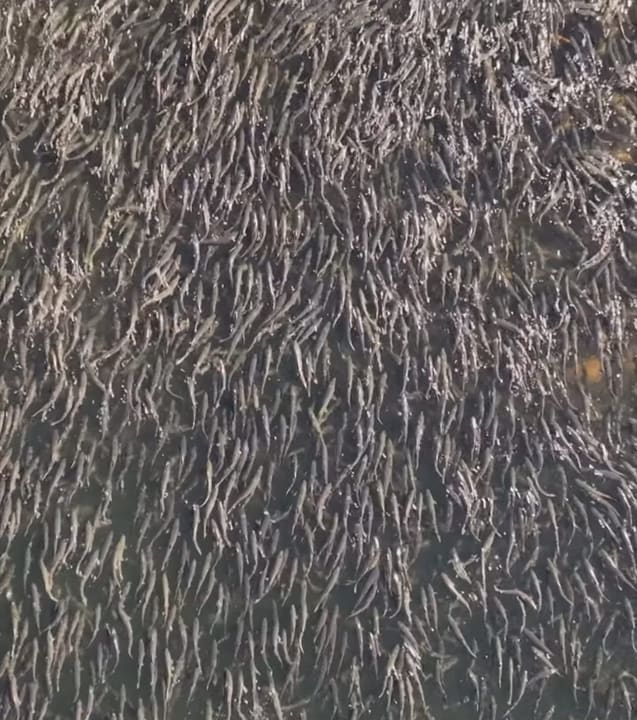
Sharecrewopen crew · 3w
Dungeness crab for the whole raft-up — twelve keepers from two trapsSharecrewopen · 3w
A dock full of albacore — one day's offshore runThree rows of tuna laid out on the dock next to the boat.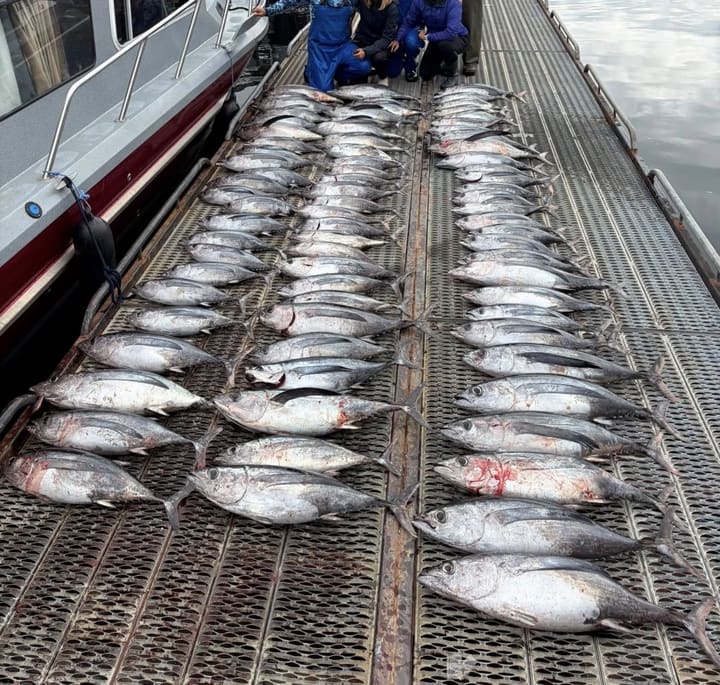
Sharecrewopen · 3w
Glassy till noon, afternoon inflow up the Sound, 10–15 kn by 2 pmFlat in the cove all morning. Wind came up the Sound after lunch.ShareBruce McHattie · via Pacific Northwest Cruiser · 3w
New-to-me Meridian 341 — home port Schooner Cove Marina, Nanoose BayHi all, hope to connect with other boaters!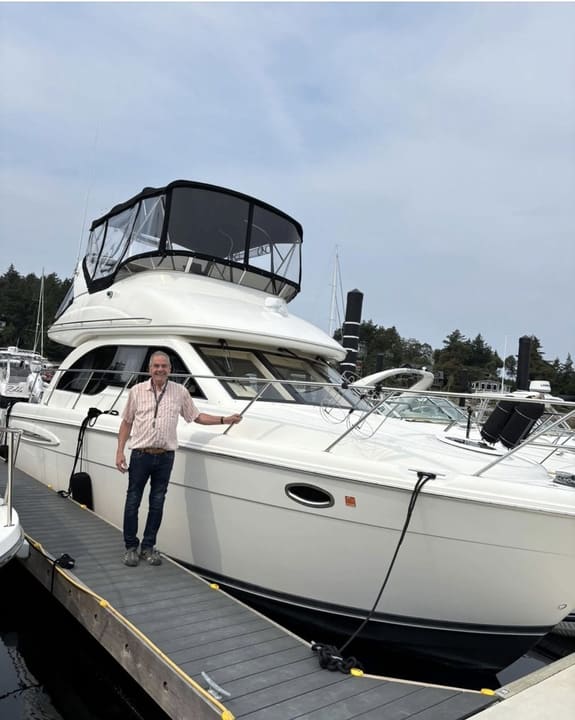
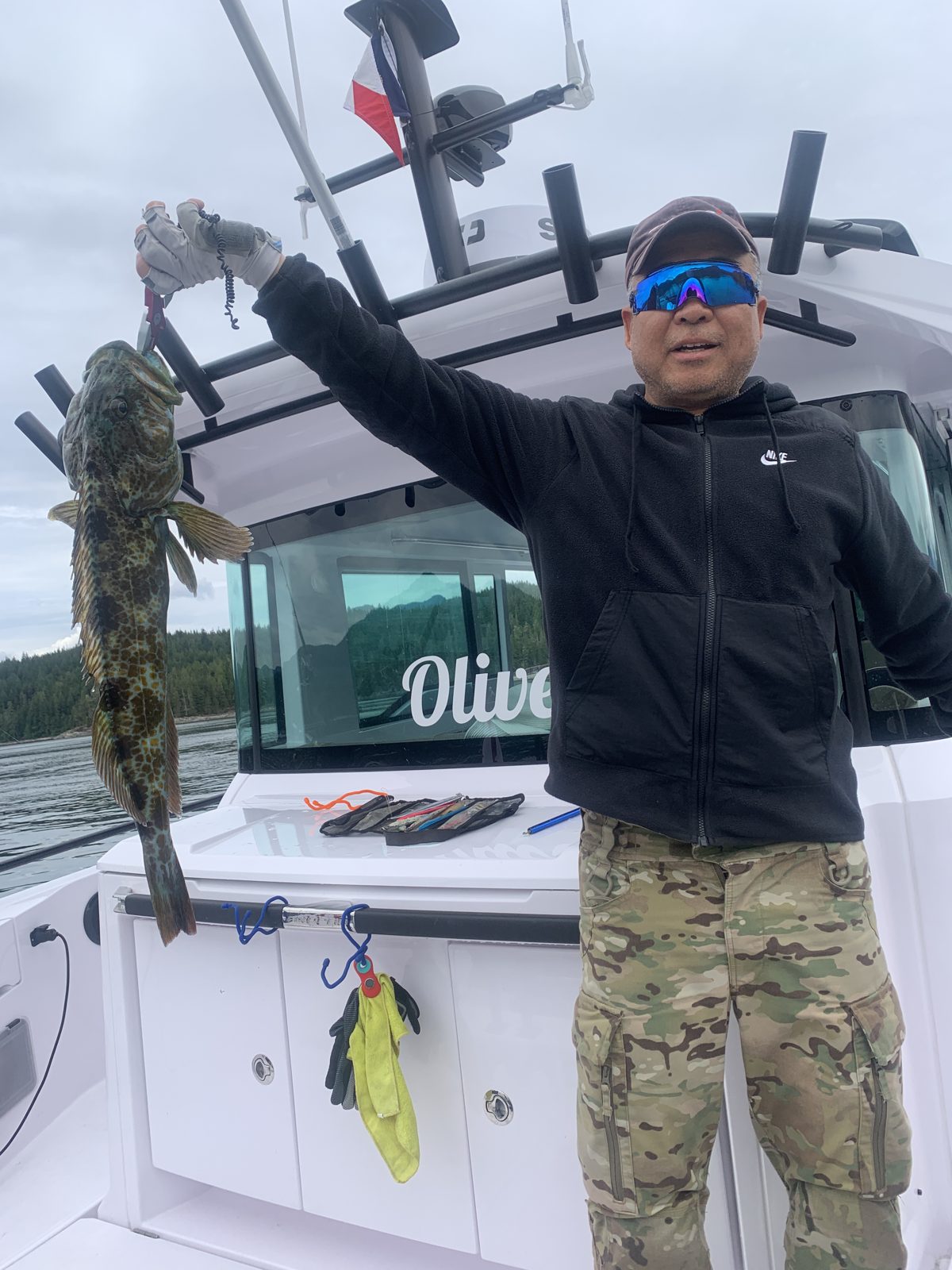
ShareWindworks Sailing and Powerboating · via Sailing Puget Sound and San Juans · 3w
Limelight, out of Seattle, made San Francisco in six days, 23 hours and 40 minutes — on a slack tide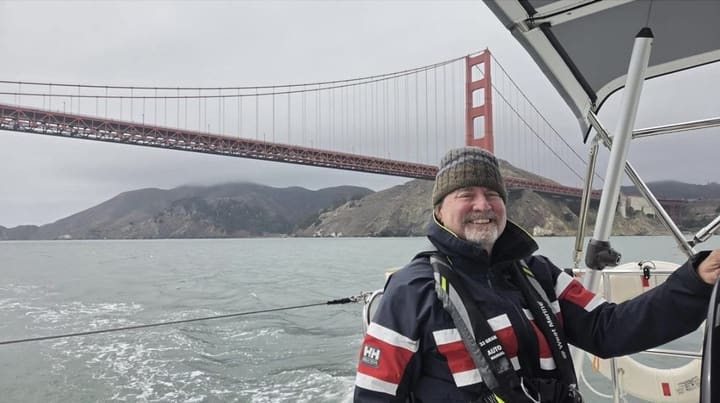
ShareStacey Mc · via Pacific Northwest Cruiser · 3w
Taking delivery of this beauty tomorrow — looking for boat friends in Bellingham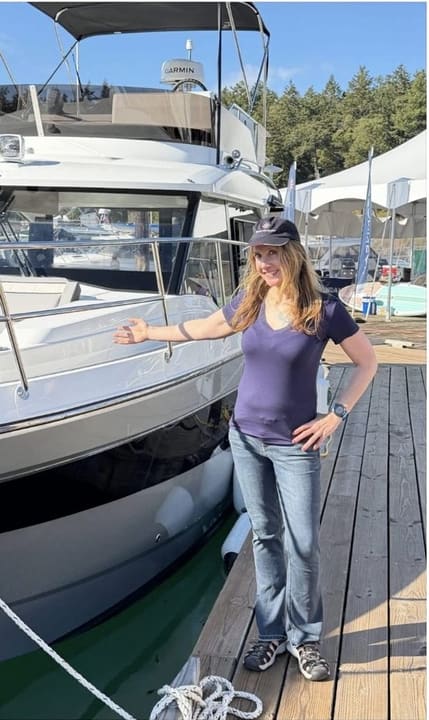
ShareWindworks Sailing and Powerboating · via Sailing Puget Sound and San Juans · 3w
Limelight arrives in San Francisco — six days, 23 hours and 40 minutes from Seattle, on a slack tideSharecrewopen · 3w
Typhoon on the way? Move to a typhoon shelter earlyWatch the Observatory's signals. Shelters fill up fast before a No. 8 goes up, so boats that wait often find no room.ShareMark Weir · 3w
Juan de Fuca crossing — several hours of nasty water; normal when a 20-kt wind meets a turning currentPhotos from a following boat of a sistership to XXIV VII, delivery crew taking her south on a busy day. "Not AI by the way." Boaters who cross the strait often say these conditions are quite normal in 20 knots when the current turns against the wind.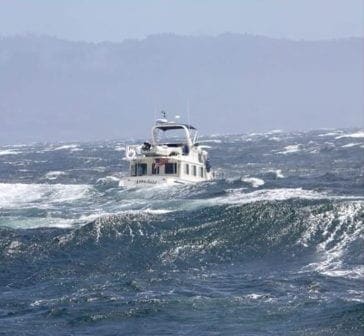
ShareMark Weir · 3w
Juan de Fuca crossing — several hours of nasty water; normal when a 20-kt wind meets a turning currentPhotos from a following boat of a sistership to XXIV VII, delivery crew taking her south on a busy day. "Not AI by the way." Boaters who cross the strait often say these conditions are quite normal in 20 knots when the current turns against the wind.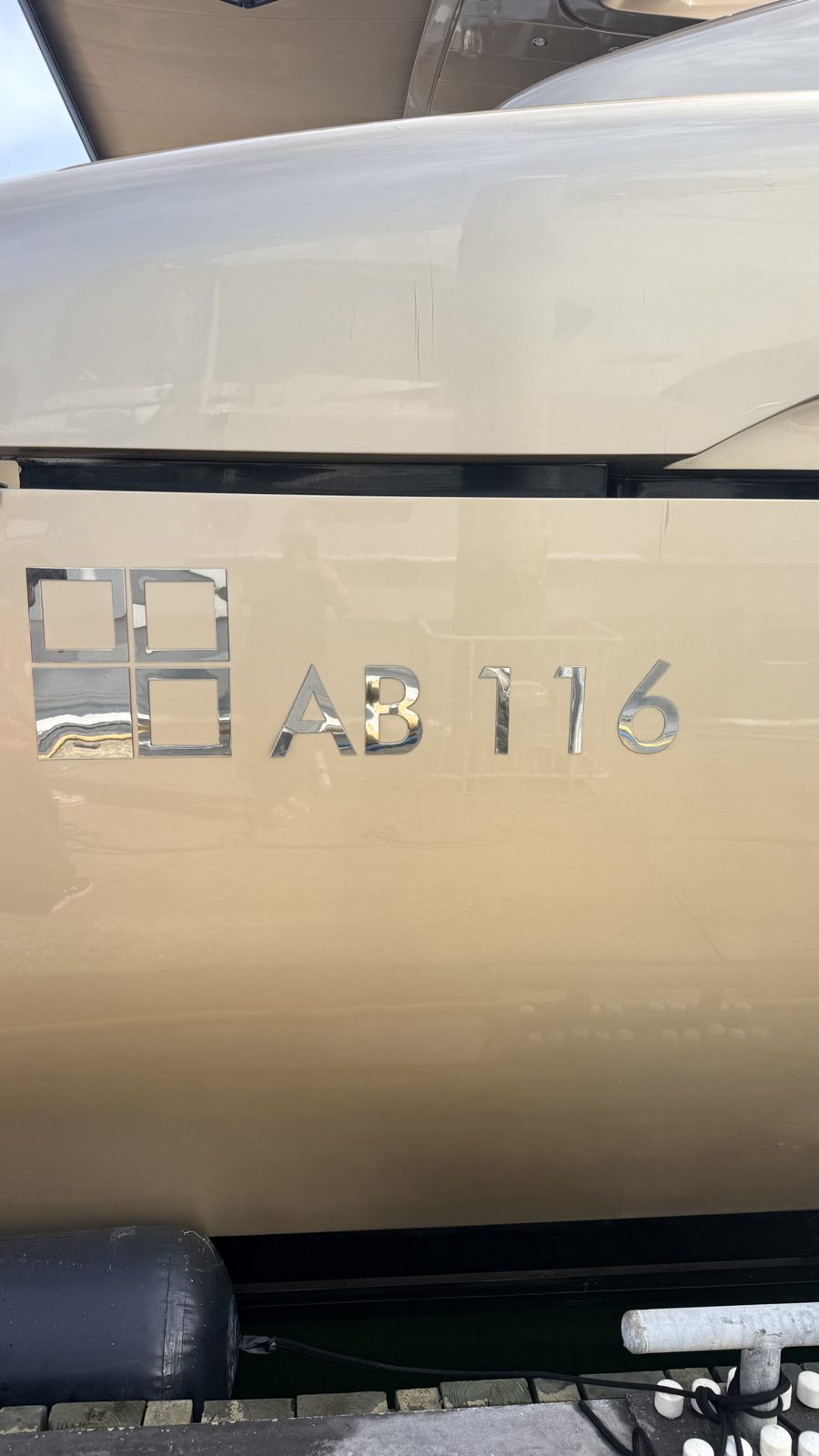
ShareQueen Charlotte Lodge · 4w
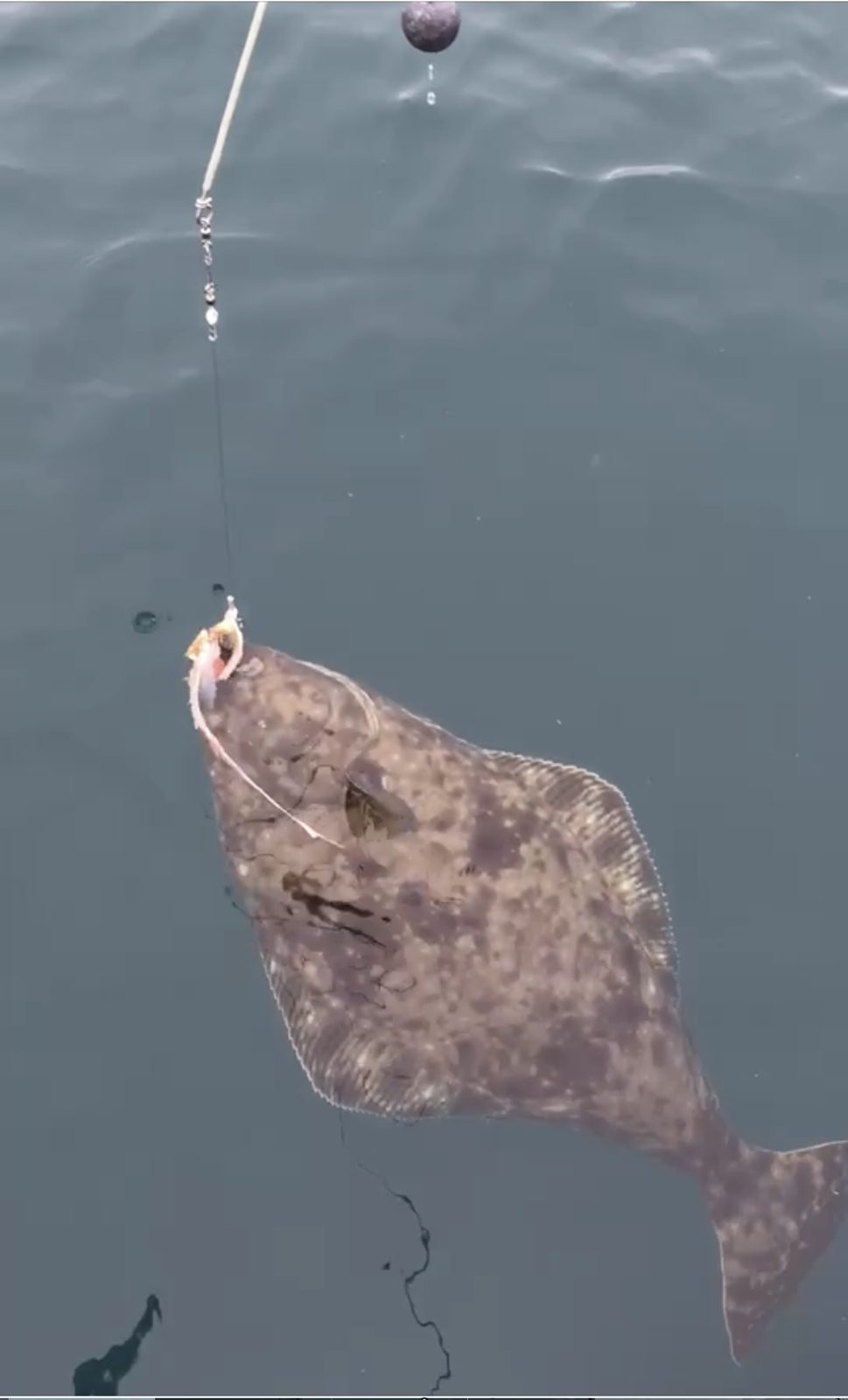
Last chinook of the 2026 season — Haida GwaiiThe 2026 season just wrapped at the lodge; bookings for 2027 are open (fishqcl.com).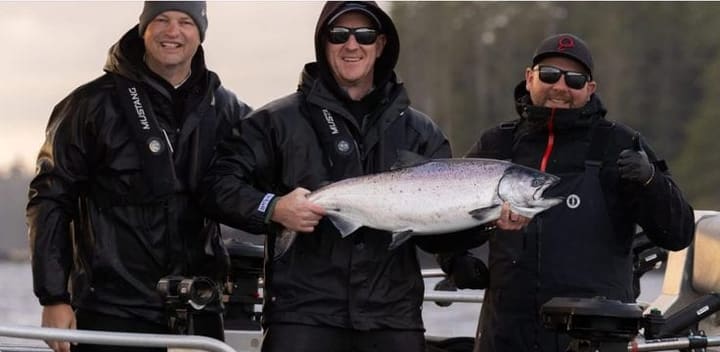
ShareThe 71 Percent · 4w
Ruth Pearl II — home after crossing the Pacific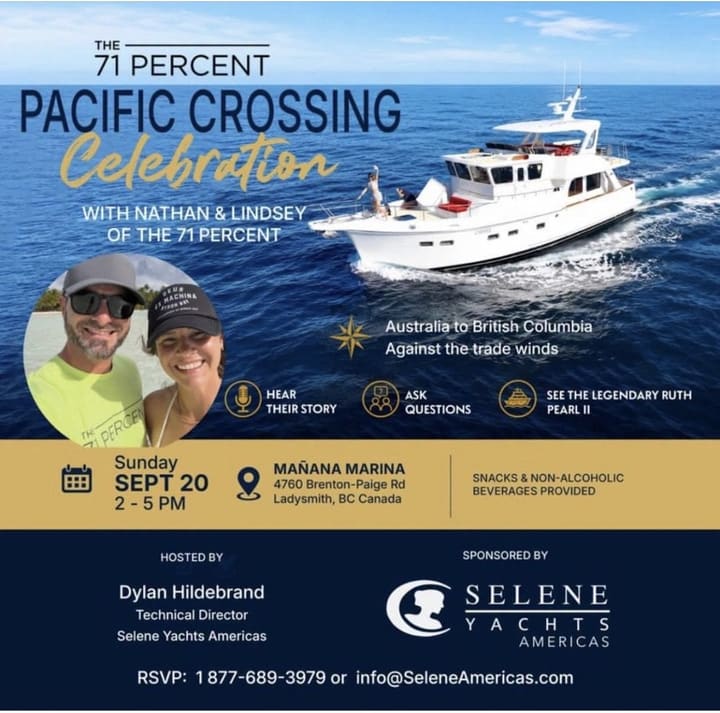
Sharecrewopen · 4w
Crossing the Strait in summer: go earlyOn summer days the northwesterly often builds through the afternoon. Many skippers cross in the morning and check the Halibut Bank and Entrance Island reports before they leave.Sharecrewopen · 4w
Summer afternoons: the westerly pours in through the Golden GateMornings are often gentle; by afternoon the sea breeze can blow hard through the Gate and across the central Bay. Plan the big crossings early.Sharecrewopen · 4w
Mistral days: read the Météo-France marine bulletin before you goWhen the mistral sets in it can blow hard for several days. Check the bulletin each morning rather than trusting yesterday's calm.ShareThe West Coast Fishing Club · 4w
First catch of the day — nothing beats that moment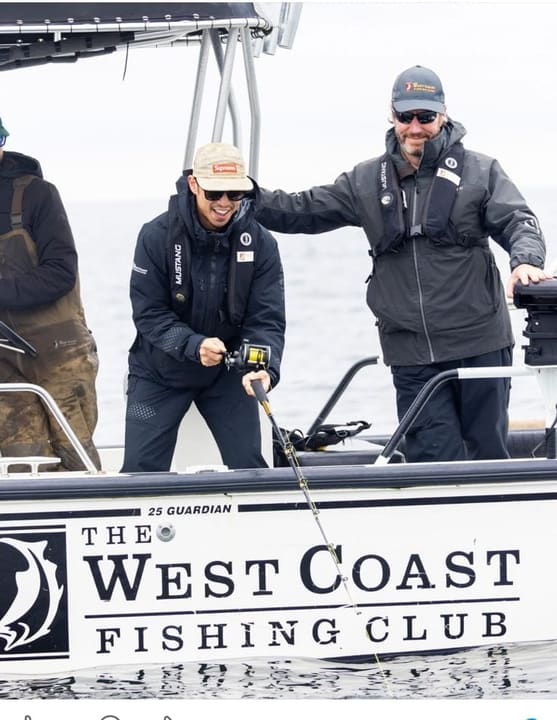
Sharecrewopen · 4w
Summer meltemi in the Cyclades: plan passages earlyThe northerly meltemi is often strongest in the afternoon. Many skippers move in the morning and check the national marine forecast before leaving harbour.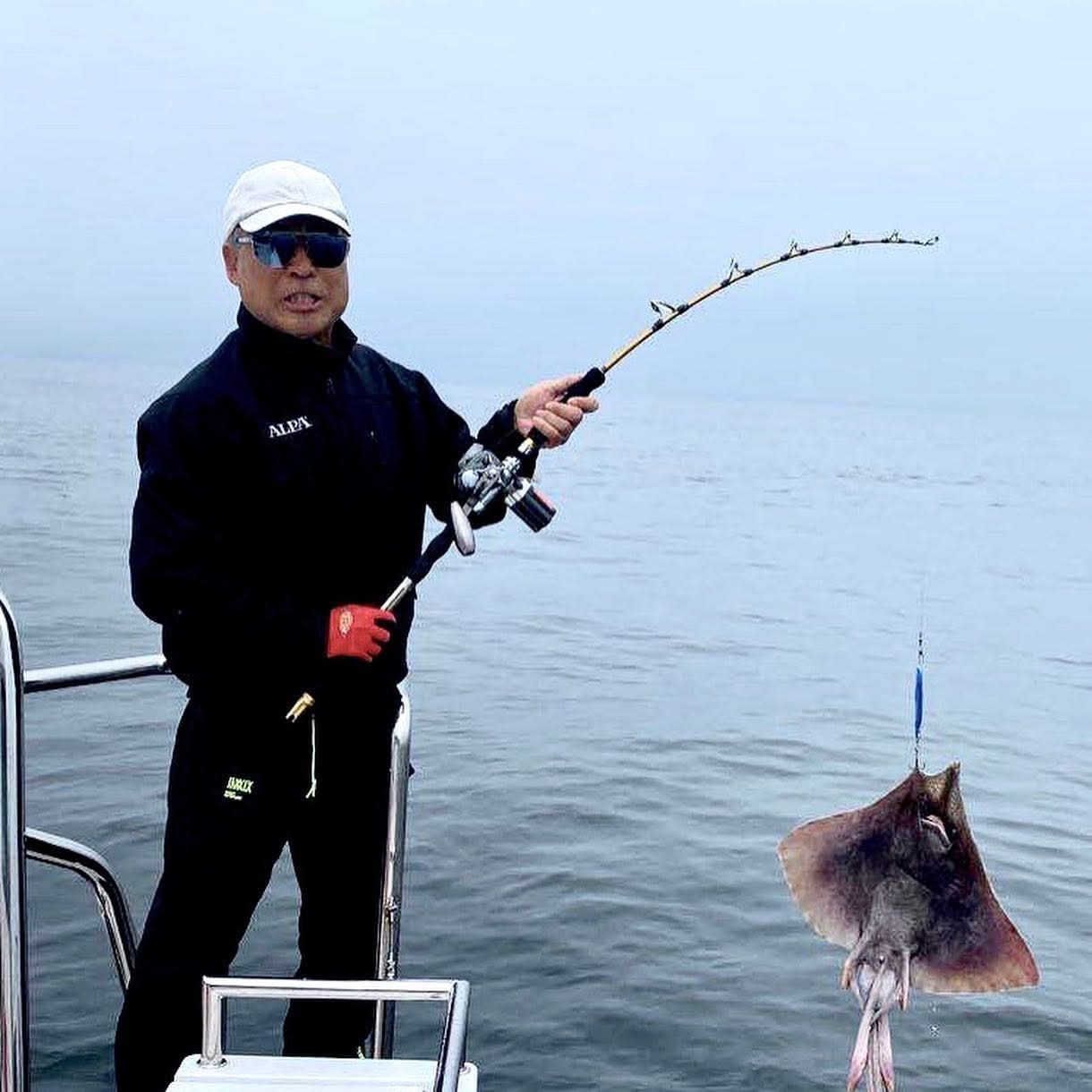
ShareMaritime Museum of BC · 6w
SV Dorothy — almost 130 years old, and her mast is still originalAbout 70% of the hull and the gaff are original too; the boom was lost in a fire in the 1940s. "She's an ambassador for the past," says Rosemary; Angus calls her "a racehorse wanting to go."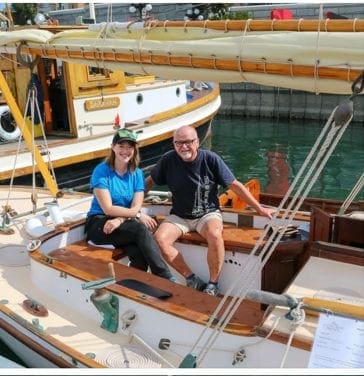
ShareLet's Anchor Down · 6w
Ponce Inlet lighthouse from the sandbar at Tata Island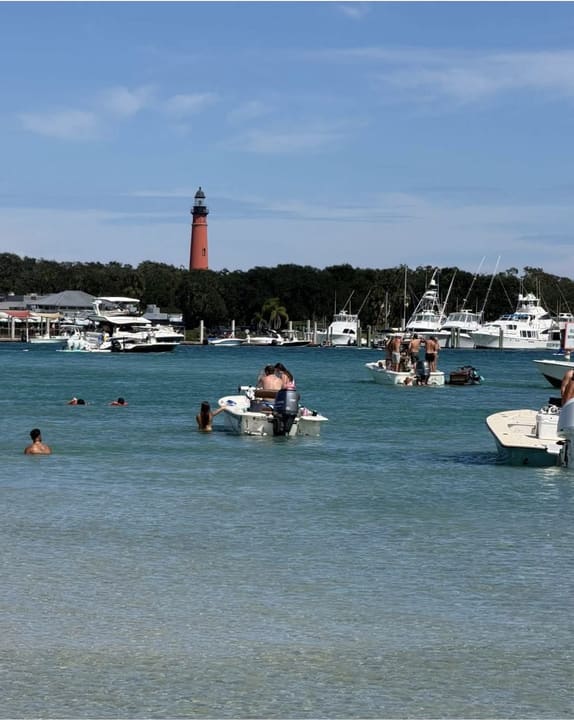
ShareFrom Whales and Dolphins BC ↗ · 6w
Humpbacks all over: Vancouver waters, the Strait and up Lewis ChannelLate-summer reports of humpbacks breaching, feeding and bubble-netting across the south coast — some seen from shore.ShareLangara Island Lodge · 7w
End of season at Langara Island — happy guests, big chinook, humpbacksEnd of August means we're near the end of the season, but the good times keep going till the very end.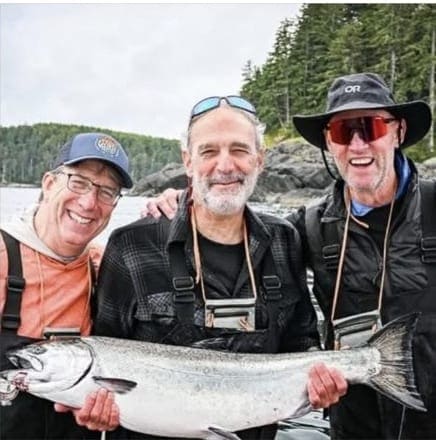
Sharecrewopen · 10w
A dozen yachts stern-tied in the fjord for the BC Day long weekend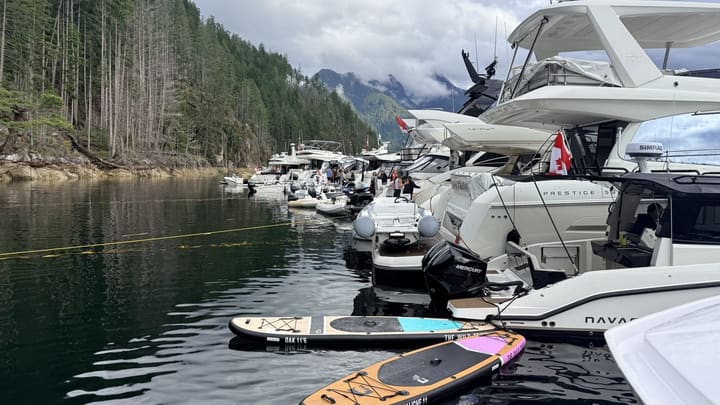
Posts here come from boaters, organisers and official sources — not from crewopen. We don't check, vouch for or take part in any arrangement made here. Use your own judgement; on the water, the captain always has the final call.